
Skip to content

Fellowship, University of British Columbia

Sexual and Reproductive Medicine Fellowship

Two years with Dr. Ryan Flannigan in clinic, the operating room and the laboratory, with clinical or laboratory research alongside and an optional master's or post-doctoral degree through the Clinician Investigator Program. It prepares you for an academic or community practice in sexual and reproductive medicine.

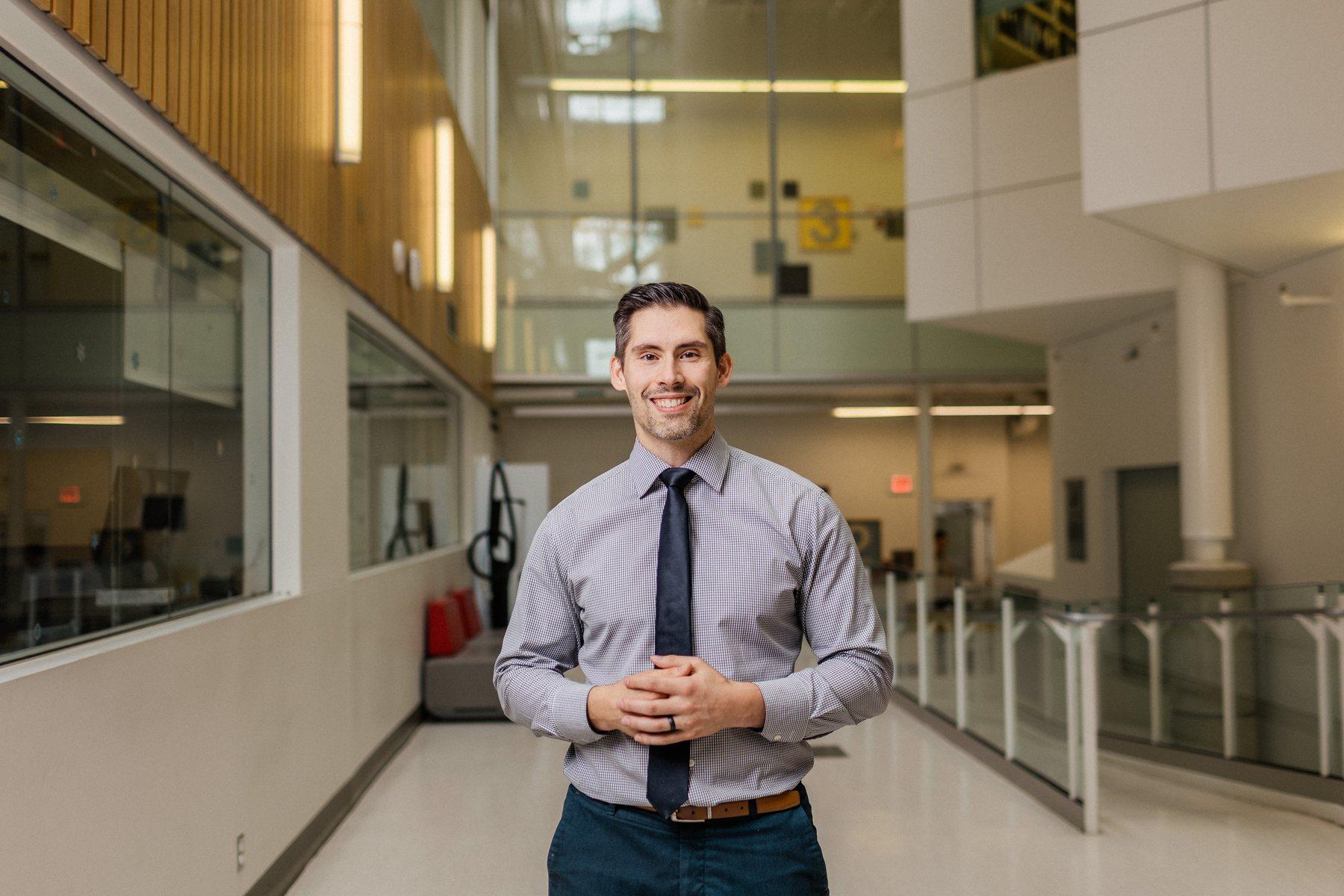
Dr. Ryan Flannigan, Fellowship Director, standing in a hospital atrium
Dr. Ryan Flannigan, MD, FRCSC, Fellowship Director
  • Duration

    Two years

    Clinical or laboratory research alongside the clinical work; an optional master's or post-doctoral degree through the Clinician Investigator Program

  • A typical week

    2 operating days, 1 clinic day, 2 research days

    Operating room and clinic with Dr. Flannigan

  • Call

    One weekend a month at UBC Hospital

    No overnight emergency department

What fellows do

Two days in the operating room, one in clinic, two in the lab

The fellow's first responsibility is to attend clinics and operating days with Dr. Flannigan, with graduated responsibility at his discretion. The other two days belong to a research project that is yours from the start.

Fellows also work with residents and medical students in clinical and surgical care, and may be asked to teach at resident half-day or present to local health care provider groups.

Clinical

Modular clinics, the full breadth of the specialty

You take part in evaluation, diagnostics and management, and you chart and prescribe in the electronic record. The program sees hundreds of patients with Peyronie's disease in a typical year.

  • Peyronie's disease clinics, with in-office curvature assessment and duplex penile ultrasound
  • Injection clinics: intracavernosal injection, testosterone and verapamil
  • Erectile dysfunction clinics, including group cognitive behavioural sessions for psychogenic or situational erectile dysfunction
  • Hypogonadism clinics: testosterone injections, nasal and gel therapy, hCG and clomiphene
  • Infertility clinics, with time alongside Dr. Flannigan at Vancouver fertility centres
  • Cancer survivorship clinics through the Prostate Cancer Supportive Care Program, a biopsychosocial service for pelvic cancer survivors and their partners across five sites in the province
  • Chronic scrotal pain clinics: multimodal therapy and spermatic cord injections
  • Neurogenic sexual and reproductive dysfunction, including penile vibratory stimulation and electroejaculation sperm retrieval at the Vancouver Sperm Retrieval Clinic

Surgical

Microsurgery, prosthetics and Peyronie's reconstruction

Fellows scrub in Dr. Flannigan's operating room. Fellows with Canadian accreditation bill surgical assist fees when eligible. Fellows also receive access to the Centre's online Microsurgery Foundations course, which is restricted to andrology fellows, with an access code from the fellowship director.

  • Vasectomy reversal: vasovasostomy and vasoepididymostomy
  • Microdissection testicular sperm extraction, TESE and PESA
  • Microsurgical varicocele repair
  • Peyronie's plication, and plaque incision with grafting
  • Penile implants: two-piece and three-piece devices
  • Microsurgical spermatic cord denervation for chronic scrotal pain
  • No-scalpel vasectomy in the clinic
  • Some general urology

Dr. Flannigan's case log

Procedures per year

What a fellow operates on. Prosthesis volume has tripled over the past year to about 60; fertility microsurgery and the other volumes remain high and steady. Figures are from July 2024 to June 2025 unless marked.

Prosthetics and Peyronie's disease

  • Inflatable penile prosthesisPast year, three times the 19 of 2024 to 2025~60
  • Penile plication26
  • Plaque incision and grafting5
  • Intralesional injectionsVerapamil and other agents88

Microsurgery and fertility

  • Microsurgical vasovasostomy64
  • Microsurgical vasoepididymostomy10
  • Microdissection TESE6
  • Varicocele repair7
  • Spermatic cord denervation5

Office procedures

  • Vasectomy204
  • Intracavernosal injection28

The program's official case log is posted with its SMSNA fellowship listing.

Research

A primary project, and the team around it

Your primary project is set before you arrive. You join the laboratory team, run the experiments, collect and analyse the data and write the manuscripts, including the revisions journals ask for. Abstracts go to local, national and international meetings with Dr. Flannigan's approval. The lab holds its ethics approvals and workflow protocols; fellows may write or amend ethics submissions and order reagents through the laboratory. In the final year, fellows are expected to seek career development funding toward an independent research position.

  • Male infertilityMechanisms of non-obstructive azoospermia through single-cell and multi-omics work, testicular organoids, 3-D bioprinting and machine learning.
  • Peyronie's diseaseFibroblast dysfunction, genetic and immunologic mechanisms, machine-learning based diagnostic aids, and technology to improve treatment.
  • Erectile dysfunctionEngineering approaches to new penile implant designs, digital health innovations, and novel-mechanism and drug discovery programming.
  • Supportive care in prostate cancer, other cancers and chronic medical conditionsWorkflow development, interventional studies and novel digital health applications.
  • Men's healthPopulation-based opportunities.

The training environment

A university program with a laboratory at its centre

The fellowship sits inside the Male Reproduction and Sexual Medicine Research Program at UBC, which Dr. Flannigan directs, and the Reproductive and Sexual Medicine Centre of the M.H. Mohseni Institute of Urologic Sciences.

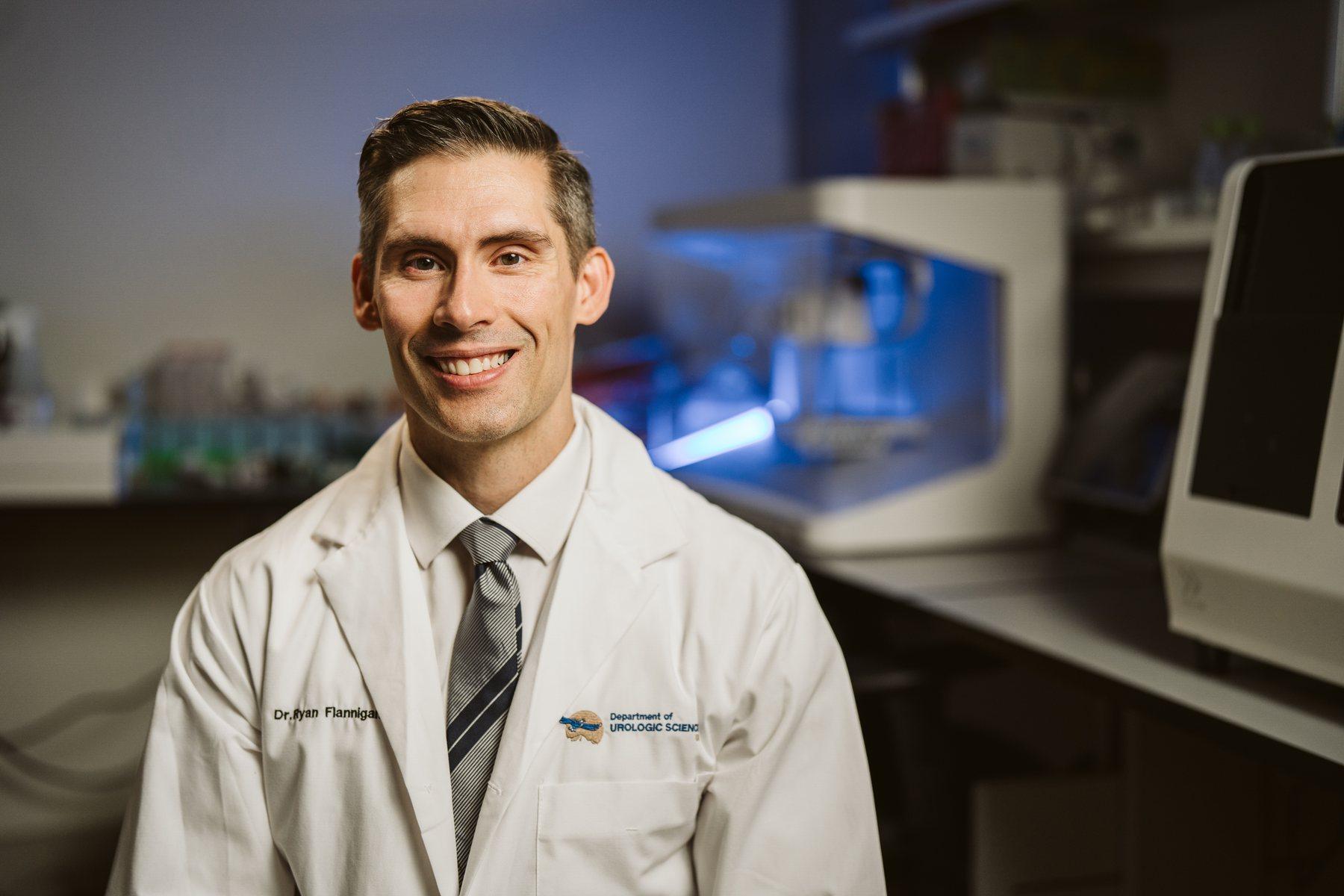
Dr. Ryan Flannigan in the laboratory, wearing a Department of Urologic Sciences coat
The research program works with single-cell sequencing, 3-D bioprinting and machine learning, with support from CIHR, NSERC-SSHRC, CUASF, ASRM and VCHRI. The Centre's team brings together clinician-scientists, mechanical engineers, reproductive biologists and computational scientists.

Fellowship Director

Dr. Ryan Flannigan, MD, FRCSC

Associate Professor and surgeon-scientist, Department of Urologic Sciences, UBC, and Director of the Reproductive and Sexual Medicine Centre. Senior Research Scientist, Vancouver Prostate Centre. Director, Male Reproduction and Sexual Medicine Research Program. Urology residency at UBC, then fellowship in male reproduction, microsurgery and sexual medicine at Weill Cornell Medicine and Memorial Sloan Kettering. Recipient of the American Society of Andrology's 2026 Matthew P. Hardy Young Andrologist Award.

Where the work happens

  • Gordon and Leslie Diamond Health Care Centre

    The primary clinic, on the 6th floor at 2775 Laurel Street. The Department of Urologic Sciences is based here.

  • UBC Hospital

    Most surgical procedures, and the monthly weekend of call.

  • Vancouver General Hospital

    Home of the Sexual and Reproductive Medicine program. Some operating days run here, and others at the Pacific Centre for Reproductive Medicine or private surgical facilities.

  • Robert Ho Research Building

    Most of the research, at 2635 Laurel Street, next to VGH and the Diamond centre.

  • Vancouver Prostate Centre and the Jack Bell Research Centre

    Dr. Flannigan's laboratory at 2660 Oak Street, where he is a Senior Research Scientist, and the address of the M.H. Mohseni Institute of Urologic Sciences.

  • Vancouver fertility centres

    Fellows join Dr. Flannigan at Olive Fertility, Twig Fertility and the Pacific Centre for Reproductive Medicine.

The fellows

Who trains here, and where they go next

The fellowship takes surgeons from Canada and from around the world. These are its fellows since 2020 and, where published, where each one practises now.

Dr. Justin Chan

Current fellow

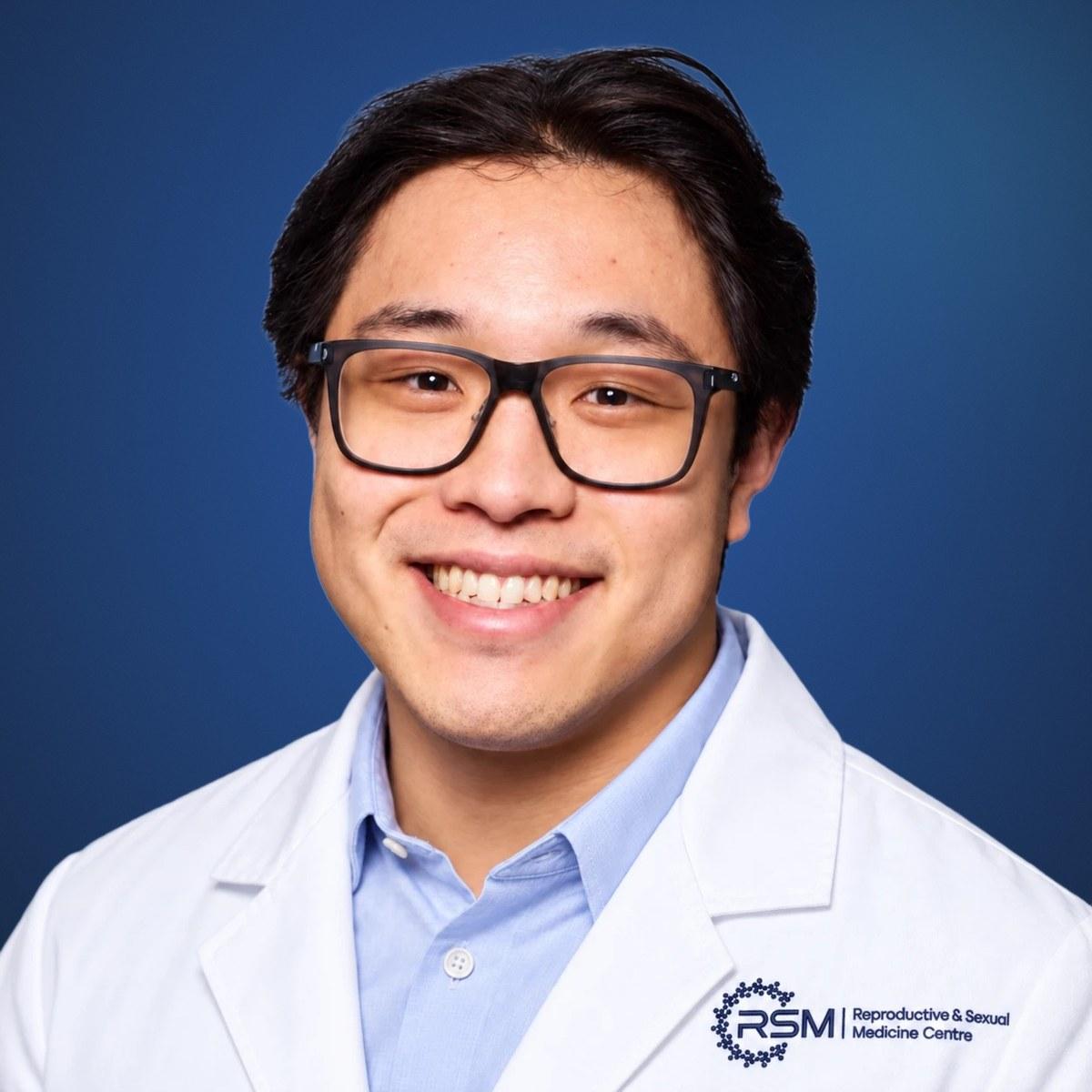
Dr. Justin Chan

2026 to 2028

Dr. Chan earned his medical degree at UBC and completed his urology residency at the University of Toronto. He is first author, with Dr. Flannigan, of a pilot clinical trial of fractional CO2 laser therapy for Peyronie's disease. He returns home to British Columbia for the chance to work in both clinical care and wet-lab research. Outside the lab and microsurgery, he loves to curl, and he is now joining the UBC curling team.

Incoming fellow

Dr. Matthew Mancuso

Next fellowship year

Dr. Mancuso joins the Centre as its next fellow. At the University of Alberta he wrote a case report on obstructive azoospermia with Dr. Phil Vu Bach, and has published on kidney stone care.

Past fellows

  1. Dr. Sarah Brink

    Fellow, 2025 to 2026

    Trained at the Medical College of Wisconsin and completed her urology residency at Hackensack University Medical Center. At the Centre she was first author of a report on a single keyhole puncture technique for microsurgical vasovasostomy.

  2. Dr. Laurianne Rita Garabed

    Fellow, 2024 to 2025

    Now: Urologist, Miacleo fertility clinic, Greenfield Park, Quebec

    With Dr. Flannigan she wrote a review of the changing landscape of non-obstructive azoospermia.

  3. Dr. Abdullah Alhamam

    Fellow, 2022 to 2024

    Now: Department of Urology, Imam Abdulrahman Bin Faisal University, Dammam, Saudi Arabia (most recent published affiliation)

    First author, with Dr. Flannigan, of the Centre's report on tension-relieving microdot vasovasostomy and LIVE vasoepididymostomy.

  4. Dr. Maharan Kabha

    Fellow, January to June 2022

    Now: Director of the Andrology Service, Carmel Medical Center, Haifa, Israel

    Senior Urologist and Andrologist at Carmel Medical Center, where his work centres on male infertility and male sexual dysfunction.

  5. Dr. Luke Witherspoon

    Fellow, 2020 to 2022

    Now: Staff urologist, The Ottawa Hospital, University of Ottawa

    His practice at the Grass Family Men's Health Centre focuses on male sexual medicine and infertility, and his research on Peyronie's disease, erectile dysfunction and male factor infertility. He still publishes with the Centre, including its 2025 report on microsurgical vasectomy reversal.

Who should apply

Surgeons heading for a practice in sexual and reproductive medicine

The fellowship exists to prepare its graduates for an academic practice or a private or community practice in sexual and reproductive medicine. It takes fellows from Canada and from around the world, and both the clinical and the research work are part of every fellowship.

  • You want the whole specialty, not one corner of it

    Peyronie's disease, erectile dysfunction, infertility and microsurgery, hypogonadism, chronic scrotal pain and sexual rehabilitation after cancer all run through the same clinics and operating days.

  • You are ready to own a research project

    Two days a week are research days. The department expects fellows to finish their projects as published abstracts and manuscripts and to apply for the trainee awards they qualify for.

  • Canadian and international graduates

    Fellows with Canadian accreditation bill surgical assist fees when eligible; the program also welcomes fellows trained outside Canada.

  • Formal prerequisites

    The department's fellowship pages do not publish a list of prerequisites or licensing requirements for this fellowship. If you are unsure whether your training fits, write to Dr. Flannigan at ryan.flannigan@ubc.ca.

How to apply

Register for the Match, then write to Dr. Flannigan

Fellows come to the program through the AUA Andrology Fellowship Match. Register for the Match in the spring of the year before you would start, and write to Dr. Flannigan about your interests.

  1. Register for the Andrology Fellowship Match

    The program takes its fellows through the Andrology Fellowship Match, run by the American Urological Association with the Society for the Study of Male Reproduction. Applicants must register for the Match; the AUA publishes each cycle's dates, and registration closes in the spring of the year before the fellowship begins.

  2. Write to Dr. Flannigan

    Send Dr. Flannigan a note with your CV and a few lines on your clinical and research interests. The program is also listed on the Sexual Medicine Society of North America fellowship site.

  3. Plan for two years

    The fellowship runs two years. Alongside the clinical work, fellows take part in clinical or laboratory research, and may apply to the Clinician Investigator Program to earn a master's degree at the same time, or pursue a post-doctoral degree.

  4. Receive your primary project

    A primary research project is assigned before you start, so the laboratory work is ready the week you arrive. You are expected to apply for the trainee grants and scholarships you are eligible for.

  5. Appointment and funding

    Compensation is set out in the appointment offer letter. Research costs and conference travel need Dr. Flannigan's prior approval and depend on the funding available.

Contact

Dr. Ryan Flannigan

Fellowship Director, Sexual and Reproductive Medicine Fellowship

ryan.flannigan@ubc.ca

2775 Laurel Street, 6th Floor Urology Reception, Vancouver, BC V5Z 1M9

Fellowship listing

The program's entry on the Sexual Medicine Society of North America fellowship site.

View the SMSNA listing